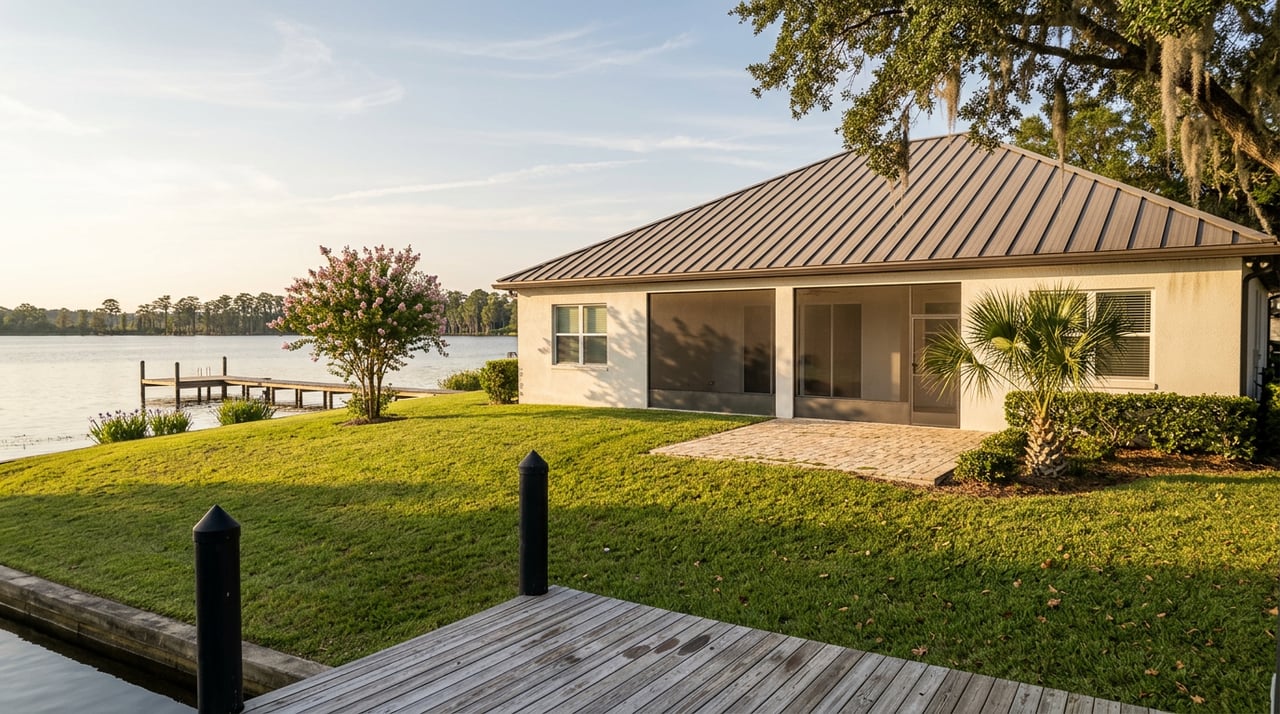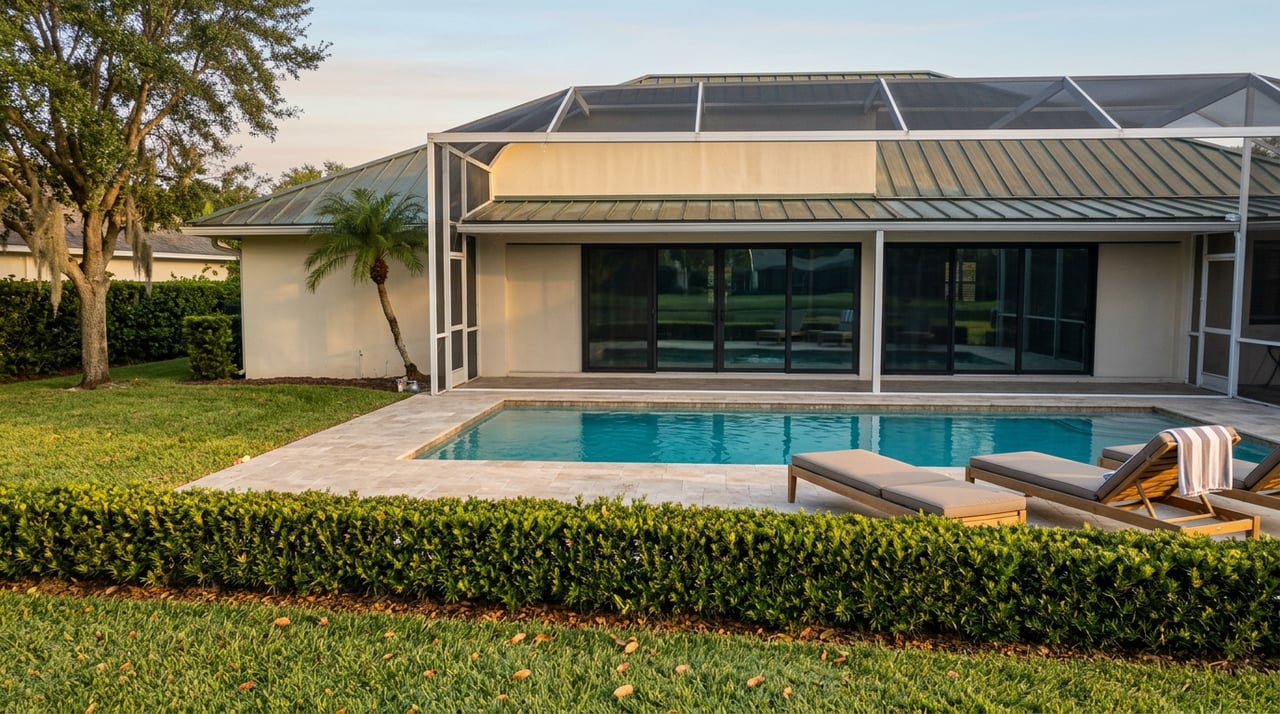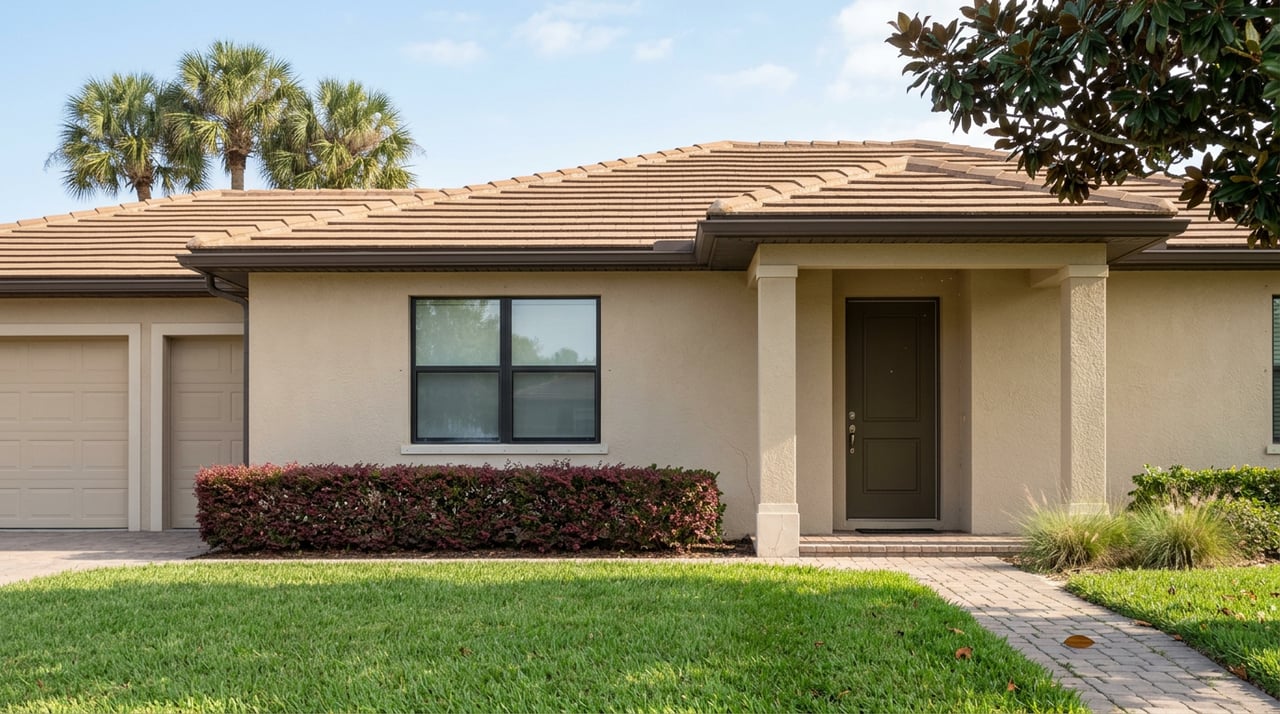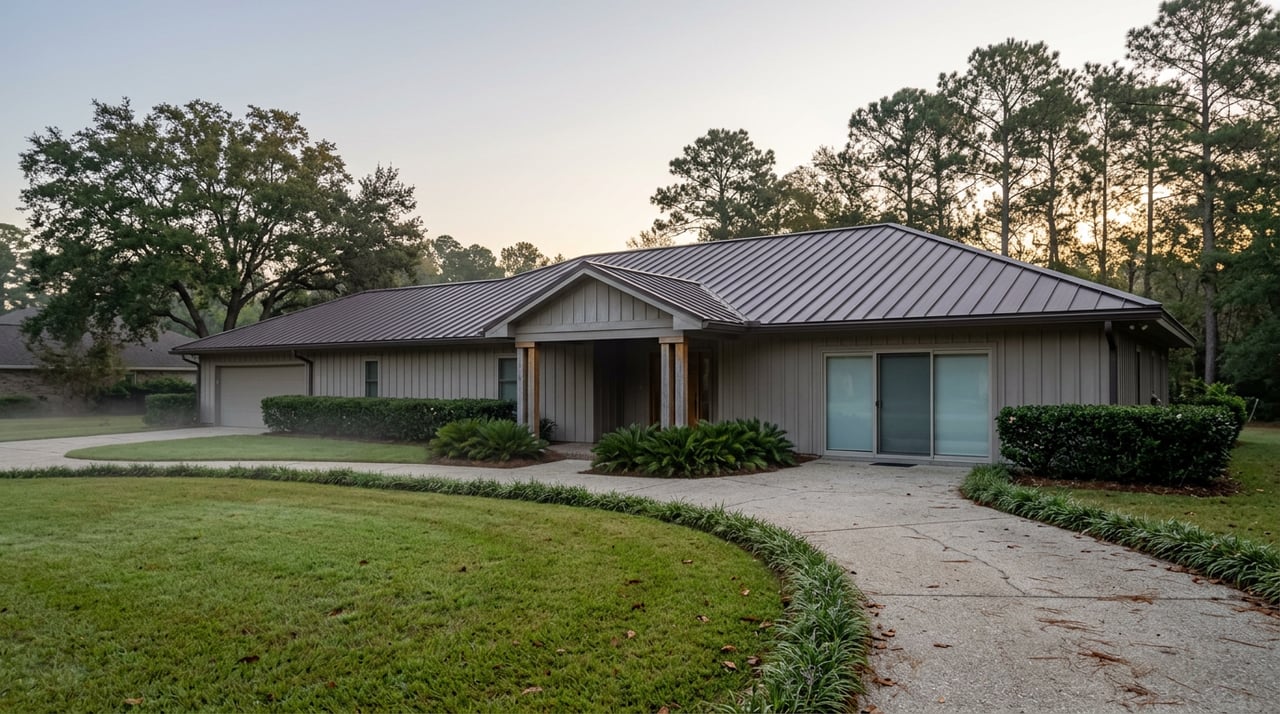
The first time a buyer's agent orders a resale disclosure package on a home in Rainbow Springs, they usually expect a straightforward HOA document. What comes back instead is a packet built around a property owners association that governs eleven separate communities under one name, each with its own dues, its own architectural rules, and in some cases its own idea of what "access to the river" actually means. If nobody flags this before the offer goes in, it becomes a conversation at the closing table instead of a decision made with full information weeks earlier.
That is the part of Rainbow Springs that a listing photo, a Zestimate, or a drive-by never tells you. The name on the sign is the same everywhere. What it buys you is not.
One POA, Eleven Communities
Rainbow Springs was established in 1973 and today spans more than 3,000 lots in southwest Marion County, about 20 miles from Ocala. It sits alongside the Rainbow River, adjacent to the 1,459-acre Rainbow Springs State Park, and it's easy to assume the park is part of the neighborhood. It isn't. The Rainbow Springs Property Owners Association is explicit about that on its own site: the state park borders the community but operates independently of it. If your reason for choosing a home here is river access, that access comes through the POA's private resident park, not the public park next door, and it's worth confirming which of your future neighbors actually have a key to it.
The POA itself covers eleven distinct sub-communities: Fairway Estates East and West, Fox Trace A and B, Grand Park North and South, Rainbow Springs Country Club, The Forest, The Woodlands, St. Andrews, and The Boundary. They share a governing association, a shared river park with canoe and kayak launches, pavilions, and a swimming area, and an annual assessment that comes due every January 1. What they do not share is a single price tier, a single dues structure, or identical deed restrictions. Some are wooded acreage lots with rolling terrain. Others are tighter, golf-adjacent lots built around Rainbow Springs Country Club. A listing that simply says "Rainbow Springs" in the subdivision field could mean any of these.
Why the $250 Figure Isn't the Whole Story
Search for Rainbow Springs online and you'll see the same number repeated everywhere: a $250 annual HOA fee. That figure comes from the POA's community-wide assessment, and it's accurate as far as it goes. But look at MLS-reported sales inside just one of the eleven communities, The Forest At Rainbow Springs, for the twelve months ending July 2026, and the dues on individual homes there ranged from $20 to $250, covering everything from grounds maintenance and the community pool to security and recreation facilities. That's not a typo and it's not two different associations double-billing. It reflects the reality that fee schedules inside a single sub-community can vary by section, by whether a lot carries river access rights, and by what that specific parcel was platted to include decades ago.
If you're comparing a listing's advertised HOA fee against another home a few streets over, you're not always comparing like to like. The number on the listing sheet is a starting point for a phone call to the property manager, not a final answer.
The same logic applies to price. Sold data for the Rainbow Springs area from January through May of 2026 shows homes closing anywhere from $170,000 for a two-bedroom, two-bath home up to $762,000 for a four-bedroom, three-bath property, with plenty of activity in between: $230,000, $267,000, $350,000, $511,875, $555,500. That's not market volatility. That's eleven different communities, with different lot sizes, ages of construction, and amenity access, all getting folded into one search radius. In The Forest specifically, the twelve months ending July 2026 showed nine homes changing hands with an average selling price of $521,931 against an average asking price of $538,656, a 97 percent list-to-sell ratio, and an average of 168 days on market. That's a meaningfully different market than a $230,000 sale elsewhere in the same POA boundary, and a buyer relying on a single blended median for "Rainbow Springs" would misjudge both what to offer and how long to expect a sale to take.
Here's a snapshot of how differently the pieces can behave, using what the data actually shows rather than a single average:
| What you're comparing | What the research shows |
|---|---|
| Community-wide POA assessment | $250 annually, due each January 1 |
| Dues within The Forest specifically | Range from $20 to $250 depending on the home |
| The Forest sales, 12 months ending July 2026 | Average sale $521,931, 97% list-to-sell, 168 days on market |
| Broader Rainbow Springs sold prices, Jan-May 2026 | Ranged from $170,000 to $762,000 |
| River park and beach access | Through the POA, not the adjacent state park |
The Friction That Shows Up at Closing
The Rainbow Springs Property Owners Association handles estoppel letters, resale disclosure packages, and closing documents through HomewiseDocs, using a four-step ordering process. That's routine for a deed-restricted community, but the timing matters more here than in a single-association neighborhood. Because you're dealing with a POA that oversees eleven distinct sub-communities, the disclosure package needs to reflect the specific one your contract is on, not a generic "Rainbow Springs" template. If your closing date is tight, ordering that documentation the day you go under contract, rather than waiting until the week before closing, gives everyone room to catch a mismatch before it becomes a delay.
New owners also need to know a few things before they start planning:
- Closing paperwork gets brought to the POA office to receive a Resident ID Card
- Community access and security run through a system called VineConnect
- Any exterior project, from a fence to a room addition, needs Architectural Control Board approval before work starts, not after
None of this is unusual for a deed-restricted Florida community. What's unusual is doing it eleven times over under one umbrella name, which is exactly why the details on your specific parcel matter more than the reputation of "Rainbow Springs" as a whole.
I've worked enough transactions across Marion County to know that the communities with the most name recognition are often the ones where buyers do the least digging, because the name itself feels like enough due diligence. Rainbow Springs is a good example of why that instinct can cost you time or money. The reputation is earned. The river, the tree canopy, the sense of an "Old Florida" pocket close to Ocala, that's all real. But the reputation covers eleven different products, and the only way to know which one you're actually buying is to ask which sub-community the parcel sits in, what its specific dues cover, and whether river access rights travel with that lot or with a different one down the road.
Common Questions About Buying in Rainbow Springs
Is Rainbow Springs one HOA or several? One property owners association, the RSPOA, governs the whole community, but that community is made up of eleven separate sub-neighborhoods, each with its own character and, in some cases, its own fee variations within the broader POA structure.
Does buying in Rainbow Springs guarantee access to the Rainbow River? Access to the river comes through the POA's private resident park, which includes a swimming area and canoe and kayak launch. The public Rainbow Springs State Park next door is a separate operation. Buyers who assume the two are the same thing should confirm exactly what access their specific property carries before writing an offer.
Why do dues vary so much between homes that are all technically in Rainbow Springs? Because the eleven sub-communities were platted at different times with different amenity packages, and even within a single sub-community like The Forest, individual homes can carry different fee levels depending on what that fee is funding. The listing sheet's HOA number is a starting point, not a guarantee, until you confirm it with the property manager.
If you're weighing a move into Rainbow Springs, or trying to figure out which of its eleven communities actually fits what you want out of the next chapter, I'd rather walk you through the specifics up front than have you find them out at the closing table. Reach out to Kelly Lafave Real Estate Pro and let's talk about what your budget and priorities actually point to inside this neighborhood.